How to Choose the Best Electric Bike Conversion Kit for Your Ride
As urban commuting and recreational cycling continue to gain popularity, the demand for Electric Bike Conversion Kits has surged in recent years. According to a report by MarketsandMarkets, the electric bicycle market is projected to grow from $23 billion in 2020 to over $40 billion by 2026, highlighting the increasing interest in electric bicycles as a sustainable transportation option. This trend is further supported by a growing consumer preference for environmentally friendly modes of transport, as well as advancements in battery technology and e-bike components that enhance performance and affordability.
Choosing the right Electric Bike Conversion Kit can be a daunting task for many cyclists, as numerous options are available on the market. Industry expert Mark Johnson, a renowned specialist in electric bike technology, emphasizes, "A successful conversion not only hinges on the quality of the kit but also on how well it integrates with the cyclist's specific needs and existing bike setup." With various factors to consider, such as motor type, battery capacity, and installation techniques, it is essential for potential buyers to conduct thorough research to make an informed decision.
In this guide, we will explore key considerations for selecting the best Electric Bike Conversion Kit tailored to individual preferences and riding habits. By understanding the essential features and capabilities of these kits, cyclists can elevate their riding experience, whether for daily commutes or weekend adventures, while contributing to a greener planet.

Factors to Consider When Choosing an Electric Bike Conversion Kit
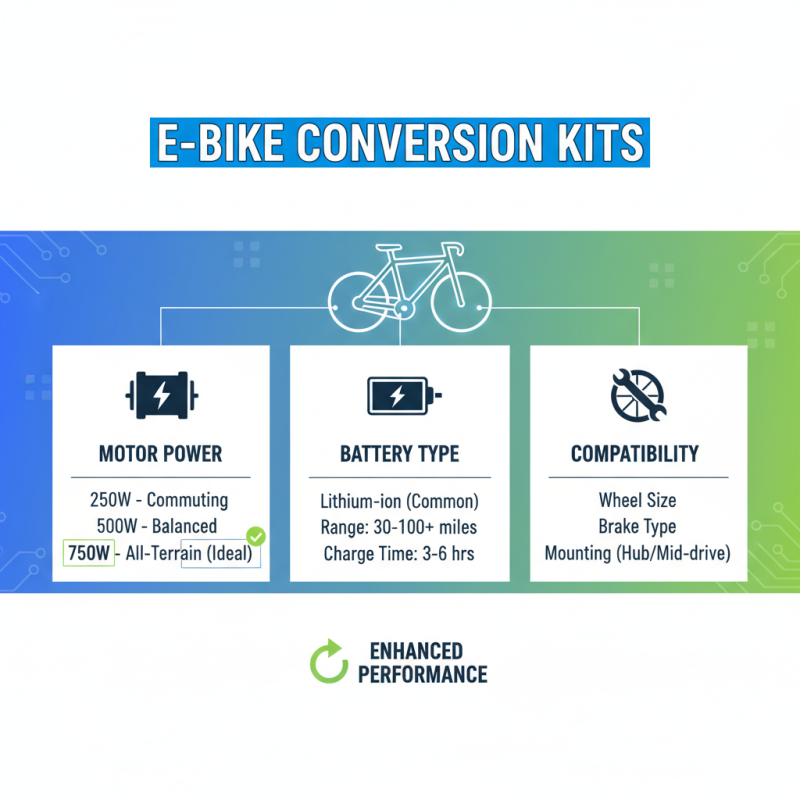
When selecting the best electric bike conversion kit, there are several crucial factors to consider to ensure enhanced performance and compatibility with your existing bicycle. First and foremost, motor power is a significant element. Generally, electric bike motors range from 250W to 1000W, with higher wattage providing greater speed and hill-climbing capability. Research shows that a 750W motor is often considered ideal for varied terrains, balancing power and range efficiently, making it a popular choice among consumers.
Another important factor is the battery capacity, usually measured in amp-hours (Ah). A larger battery, typically 12Ah to 20Ah, allows for longer rides without the constant need for recharging. According to a recent market analysis, electric bike users typically favor batteries that can provide at least 20-40 miles of range per charge. Charging time is another critical consideration; quicker charging solutions are increasingly preferred, with some modern kits offering full charges within 4-6 hours.
Lastly, the compatibility of the conversion kit with your existing bike frame is essential. Most kits are designed for specific frame types, significantly affecting installation ease and performance. A report by the Electric Bicycle Association indicates that approximately 36% of conversion kit users faced compatibility issues, underscoring the need for thorough compatibility checks before purchase. Understanding these factors can drastically improve not only the performance but also the enjoyment of your electric biking experience.
Types of Electric Bike Conversion Kits and Their Features
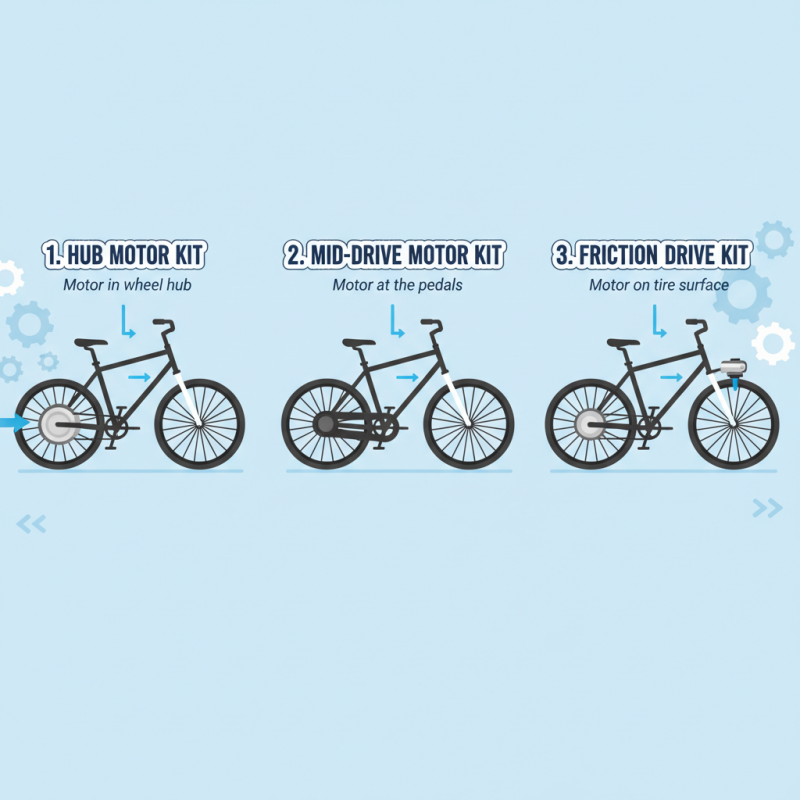
When selecting an electric bike conversion kit, it's essential to understand the various types available and their corresponding features. The three most common types are hub motor kits, mid-drive motor kits, and friction drive kits. Hub motor kits are generally the most popular, offering ease of installation and a quiet ride. These kits utilize a motor integrated into either the front or rear wheel hub, delivering power directly to the wheel, making them suitable for casual riders. According to industry reports, hub motor kits comprise approximately 60% of the electric bike market due to their affordability and simplicity.
Mid-drive motor kits, on the other hand, are strategically positioned at the bike’s crank, allowing for efficient power distribution across the bike’s gears. This feature enhances performance on steep inclines and rugged terrain, making them ideal for more experienced riders looking for an adrenaline rush. Data indicates that mid-drive systems, while around 20-30% more expensive than hub motors, offer superior torque and climbing ability, a significant advantage in challenging conditions. Lastly, friction drive kits, while less common, provide a unique option by attaching to the bike’s frame and pressing against the tire. They are lightweight and easy to install but generally offer less power compared to other types.
Understanding the differences between these types can significantly impact your riding experience and overall satisfaction with the conversion kit. As the e-bike industry continues to grow, with sales expecting to reach 40 million units annually by 2025, choosing the right conversion kit will become increasingly crucial for both casual and serious cyclists alike.
Evaluating Motor Power: Understanding Watts and Performance
When choosing the best electric bike conversion kit, one of the most critical factors to consider is the motor power, typically measured in watts (W). The wattage directly relates to the bike's performance, influencing factors such as speed, acceleration, and the ability to tackle various terrains. According to a report from the Outdoor Industry Association, a mid-range e-bike motor usually falls within the range of 250 to 750 watts. Motors in this range can support speeds of up to 20 mph on flat surfaces and can efficiently tackle mild inclines, making them suitable for both urban commuting and recreational cycling.
Understanding the balance between watts and performance is essential as higher wattage can translate to increased power, but this may also impact battery consumption and overall bike weight. A report by the Electric Bike Association reveals that while a 250W motor is ideal for casual riders or flat terrains, a 500W motor or higher is often recommended for those who frequently ride uphill or seek higher speeds. Additionally, riders should consider their weight and riding style; heavier riders or those carrying loads may benefit from more powerful motors to maintain performance levels without compromising safety and enjoyment. Ultimately, evaluating these aspects will enable cyclists to find an electric bike conversion kit that aligns perfectly with their riding needs.
How to Choose the Best Electric Bike Conversion Kit for Your Ride
| Motor Power (Watts) |
Top Speed (mph) |
Range (miles) |
Hill Climbing Ability (Degrees) |
Battery Capacity (Wh) |
| 250 |
15 |
30 |
10 |
360 |
| 500 |
20 |
50 |
15 |
600 |
| 750 |
25 |
40 |
20 |
750 |
| 1000 |
28 |
60 |
25 |
1000 |
Battery Capacity and Range: Key Metrics for Your E-Bike Experience
When selecting an electric bike conversion kit, battery capacity and range stand out as critical metrics that significantly impact the overall riding experience. Battery capacity, typically measured in watt-hours (Wh), determines how much energy the battery can store. According to industry reports, e-bike batteries usually range from 300Wh to 800Wh, with some high-performance models reaching up to 1,000Wh. A larger capacity allows for longer rides, particularly important for commuters or those who enjoy extended excursions. For instance, a rider using a 500Wh battery can expect a range of approximately 20 to 50 miles, depending on factors such as terrain, rider weight, and assist level.
Range is another crucial factor influenced by battery capacity. In a recent study by the Electric Bike World Federation, it was noted that riders tend to prioritize range over other features, with most users seeking a minimum range of 30 miles on a single charge. This has led to advancements in battery technology, such as lithium-ion batteries that not only provide greater energy efficiency but also reduce weight. Riders should also consider how terrain and riding style can affect battery life; hilly terrains and aggressive riding can significantly lower effective range. By understanding these key metrics, cyclists can make informed decisions when choosing the right electric bike conversion kit that meets their specific needs and enhances their riding experience.
Battery Capacity and Range of Electric Bike Conversion Kits
Installation Requirements and Compatibility with Your Existing Bike
When considering an electric bike conversion kit, it's essential to assess the installation requirements and how well the kit is compatible with your existing bike. First, check the specifications of your bike frame, wheel size, and types of brakes, as these factors determine if a conversion kit will fit seamlessly. Most kits are designed for specific types of bicycles, so make sure yours meets the criteria outlined by the manufacturer. Additionally, consider whether you’ll need special tools or expertise to install the kit, as some systems require advanced mechanical skills or professional installation.
Tips: Before purchasing a conversion kit, do thorough research on the installation process and gather all necessary tools in advance. Watching tutorial videos can provide insights into the assembly and adjustments required for your specific model. Ensuring you have a solid understanding of the modifications will not only make installation easier but will also enhance the performance of your electric bike.
Moreover, ensure that the conversion kit is compatible with your bike's components, such as the drivetrain and battery capacity. This compatibility can affect your bike's overall efficiency and safety. It's advisable to compare your bike's specifications against the conversion kit details, including wattage ratings and weight limits, to find the best match for your ride without compromising its performance or safety features.