

Best China TS100 TWS Earbud Supplier for Buyers?
Choosing the best China supplier for a Ts100 Tws Earbud starts with more than comparing unit prices. Buyers should look for clear product specifications, consistent communication, and evidence of repeatable quality checks. A reliable supplier can explain battery capacity, Bluetooth performance, charging times, and available fit options without relying on vague claims. Details matter.
Request a sample before discussing a large order. Check how the earbuds sit after several minutes, whether the case closes securely, and whether both sides connect consistently. Test them in a quiet room and near everyday sources of wireless interference. A sample cannot predict every production issue, but it can reveal problems early. That sounds obvious, yet it is easy to skip when a quote looks attractive.
Ask how the supplier checks incoming components, finished products, packaging, and order quantities. Confirm lead times, customization limits, warranty terms, and what happens if delivered goods differ from the approved sample. Written records make these expectations easier to review later. Buyers should also verify any relevant product documentation for their intended market rather than treating a supplier’s general assurance as proof. Not always straightforward.
No checklist removes every risk, and supplier responses may need careful follow-up. A polished catalog is useful, but it is not enough. Compare several factories on the same practical criteria, keep key agreements in writing, and leave room for a second sample or inspection. The strongest choice is usually the partner whose answers remain specific when the questions become detailed.
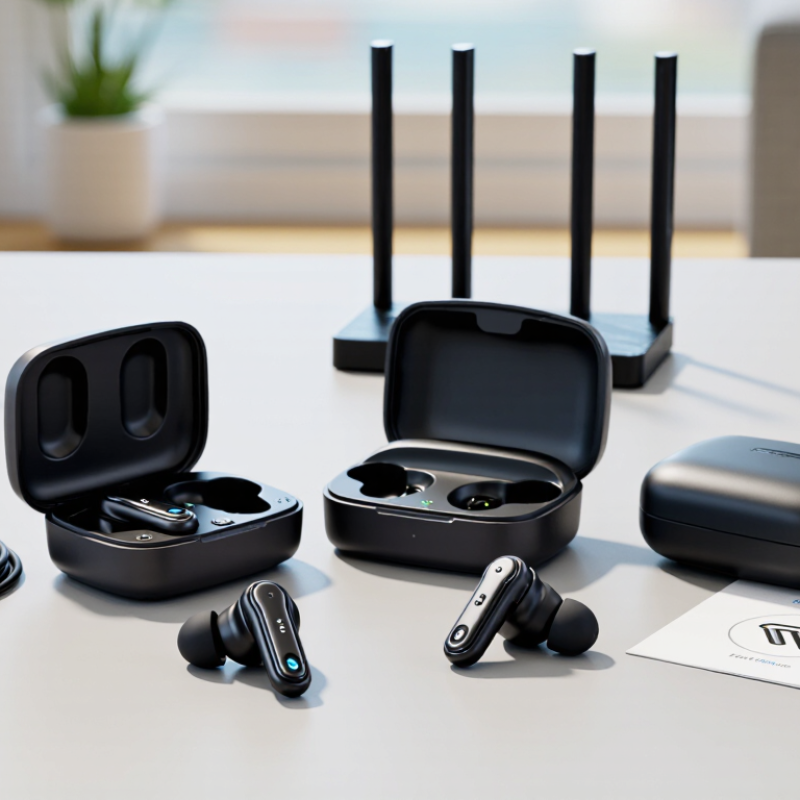
What Are TS100 TWS Earbuds and Their Main Features?
What Are TS100 TWS Earbuds and Their Main Features?
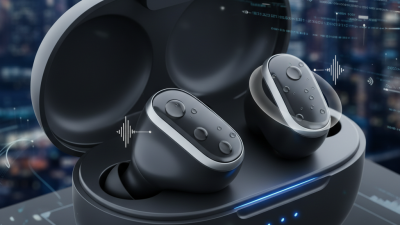
TS100 TWS earbuds are compact wireless earphones designed for listening without a cable between the two earpieces. TWS means “true wireless stereo”: each earbud connects to a compatible device and plays one stereo channel. A charging case stores the buds and can recharge them between uses. Depending on the specific configuration, TS100 listings may include Bluetooth connectivity, built-in microphones, touch controls, and silicone ear tips. Specifications can vary, so the model name alone does not confirm every feature.
Tips: Ask for a current specification sheet and clear product photos. Check Bluetooth version, stated battery capacity, charging port, microphone details, and included accessories. Look for test results or a sample before placing a large order. Small details matter.
For everyday use, a secure fit helps reduce sound leakage and keeps the earbuds in place during a walk. Microphones can support calls, but performance may change in windy or noisy settings. Battery claims also depend on volume, connection quality, and usage, so treat advertised playback time as a test condition rather than a guarantee. A useful comparison checks comfort, sound consistency, case size, and return terms—not just the lowest quoted price.
Best China TS100 TWS Earbud Supplier for Buyers? - What Are TS100 TWS Earbuds and Their Main Features?
| Buying Dimension | What TS100 TWS Earbuds Generally Refer To | Key Features to Check | Buyer Verification |
|---|---|---|---|
| Product definition | “TS100” is a model designation used in product listings; it is not, by itself, a universal technical standard. Specifications may differ between manufacturers and versions. | Confirm the exact model version, hardware configuration, and included accessories. | Request a dated specification sheet, product photographs, and a production sample matching the quoted version. |
| Wireless connection | True wireless stereo earbuds connect to a source device over Bluetooth, with the left and right earbuds operating without a connecting cable. | Bluetooth version, supported profiles, pairing behavior, connection stability, and device compatibility. | Test pairing and audio playback with representative iOS, Android, and computer devices; check the Bluetooth details on the actual sample. |
| Audio playback | Sound quality depends on the acoustic design, driver, tuning, fit, and signal processing—not just the model name. | Driver specification, frequency response information if available, channel balance, distortion, and listening performance. | Audition samples at normal listening levels and compare multiple units for consistency. Treat unverified marketing figures cautiously. |
| Microphone and calls | Many TWS earbuds include built-in microphones for calls and voice input; call quality varies with microphone placement and noise-processing implementation. | Microphone count, voice clarity, wind handling, and performance in quiet and moderately noisy settings. | Make test calls indoors and outdoors, and check whether any claimed noise-reduction feature is supported by the specific version. |
| Battery and charging case | The case typically stores and recharges the earbuds. Total listening time depends on battery capacity, volume, codec, and usage conditions. | Earbud and case battery capacities, charging time, connector type, and stated playtime test conditions. | Ask for the battery specifications and test a sample. Compare the stated runtime with a documented playback test at a defined volume. |
| Controls and usability | Depending on configuration, earbuds may use touch or physical controls for playback, calls, or voice-assistant functions. | Control functions, accidental-activation rate, pairing instructions, and whether both earbuds work independently. | Confirm the control map and test repeated taps, calls, and single-earbud use on a sample. |
| Fit and materials | Fit affects comfort, passive noise isolation, and sound. Housing materials and supplied ear tips can vary by order configuration. | Earbud dimensions, weight, available ear-tip sizes, finish, and comfort during extended wear. | Review physical samples and confirm the exact colors, materials, and accessories in the purchase specification. |
| Water and dust resistance | Resistance claims apply only when supported by a stated rating and the applicable test conditions; not every version has the same protection. | Whether the earbuds, case, or both have a protection rating, and what the rating covers. | Request the relevant test documentation. Do not assume the charging case shares the earbuds’ rating or that a rating means the product is waterproof. |
| Supplier and order checks | Product quality, customization, packaging, and delivery terms depend on the individual supplier and agreed order specification. | Sample approval, quality-control plan, production lead time, minimum order quantity, packaging, and after-sales process. | Put approved specifications and acceptance criteria in writing; inspect a pre-production sample and confirm applicable shipping and compliance documents. |
Related Posts
-
Unveiling the Hidden Issues in F16 Smart Watch and TWS Earphone Compatibility
-

7 Convincing Reasons to Choose TS100 TWS Earbuds for Your Global Sourcing Needs
-
How to Source F9 TWS Earbuds Globally in 2026?
-
The Ultimate Guide to Choosing Mk100 TWS Earbuds for Optimal Sound Experience
-
2026 Best Mk100 TWS Earbuds Features and Reviews?
-

What Makes Ts100 TWS Earbuds the Best Choice in 2026?

