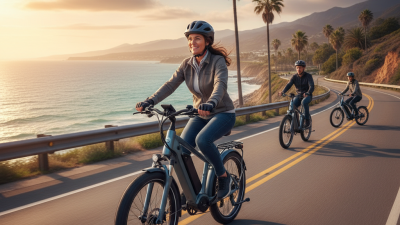
Why Choose an Adult Electric Bike for Your Daily Commute?
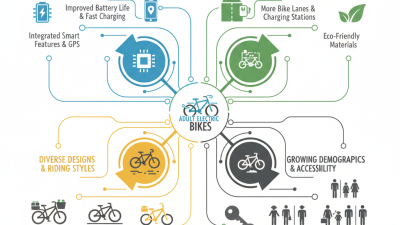
In recent years, the popularity of the Adult Electric Bike has surged, transforming urban commuting. According to a report from the Light Electric Vehicle Association, electric bike sales have grown by over 70% in the past three years. Many commuters are now choosing these bikes for their effectiveness and convenience.
Adult Electric Bikes offer a sustainable alternative to traditional vehicles. They provide the essential benefit of reducing traffic congestion and carbon emissions. Research shows that electric bikes emit up to 90% less carbon compared to cars. However, finding the right model can be overwhelming, considering the myriad options available.
Despite these advantages, potential buyers should reflect on their commuting needs. Electric bikes require regular maintenance and a safe storage solution. Understanding battery life and charging time is crucial for daily use. As the popularity of Adult Electric Bikes grows, it is essential to make informed choices for a smoother commute.
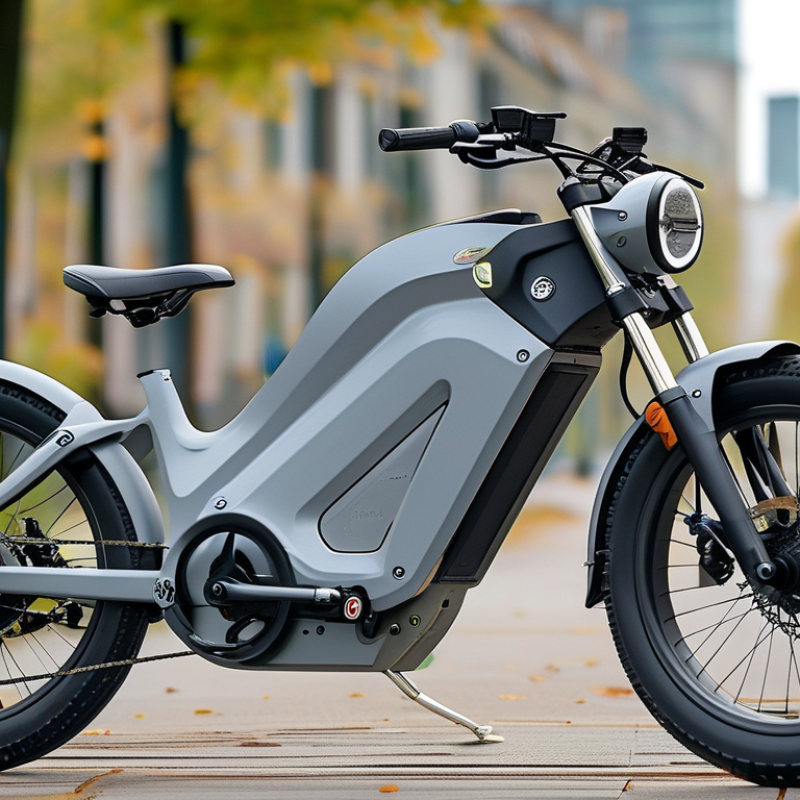
Benefits of Adult Electric Bikes for Daily Commuting
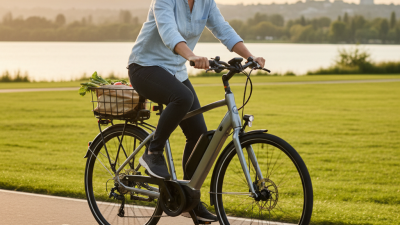
Choosing an adult electric bike for daily commuting offers numerous advantages. One major benefit is efficiency. Electric bikes allow you to travel faster than traditional bicycles, making it easier to reach your destination on time. In cities, where traffic jams are common, an electric bike can save you precious minutes. Many riders find it a comfortable and enjoyable way to integrate exercise into their daily routine.
When considering an electric bike, think about your commute. If you often ride uphill or in challenging weather, bikes with powerful motors can be very helpful. Ensure you choose a model with adequate battery life to match your commuting distance. Comfort is key, so test ride different styles to find one that suits your needs best.
**Tips:** Always wear a helmet. It’s essential for safety. Consider investing in a good quality lock to secure your bike when parked. Adjust your riding style for different weather conditions and remember that practice makes perfect. Riding an electric bike may initially feel different, but it’s rewarding once you get used to it.
Benefits of Adult Electric Bikes for Daily Commuting
Understanding the Technology Behind Electric Bikes
Electric bikes are transforming daily commutes, offering a blend of comfort and efficiency. Understanding the technology behind them is key. At their core, electric bikes use a battery-powered motor to assist pedaling. This reduces the physical effort needed, making cycling more accessible. Most e-bikes come with various pedal-assist levels, allowing riders to customize their experience based on terrain and energy levels.
When choosing an electric bike, consider battery capacity. A higher capacity allows longer rides before needing a recharge. Factors like weight can affect performance, especially in hilly areas. Test rides are essential. They help gauge comfort and handling.
Tips: Pay attention to the bike's weight distribution. A well-balanced bike provides better control. Additionally, check the type of brakes. Hydraulic brakes often offer improved stopping power, essential for city riding. Reflecting on personal needs can guide choices. Not all bikes suit everyone. Explore options to find the right fit for your commute.
Why Choose an Adult Electric Bike for Your Daily Commute? - Understanding the Technology Behind Electric Bikes
| Feature |
Description |
Benefits |
| Battery Life |
Typically lasts between 20 to 70 miles per charge depending on usage and terrain. |
Convenient for daily commutes without worrying about running out of power. |
| Motor Type |
Available in hub motors and mid-drive motors, offering different power delivery. |
Customized riding experience, from casual riding to more intense commutes. |
| Weight Capacity |
Most e-bikes can support between 250 to 300 lbs, including rider and cargo. |
Versatile for carrying groceries, backpacks, or gear during commutes. |
| Charging Time |
Generally takes 4 to 6 hours to fully recharge the battery. |
Quick charging allows you to optimize your riding schedule effectively. |
| Assistance Levels |
Most bikes have multiple levels of pedal assist for customized riding experience. |
Flexibility to choose your amount of effort based on daily commuting needs. |
Cost Efficiency of Electric Bikes Compared to Other Transport Options
The cost efficiency of electric bikes is becoming a central topic in urban commuting discussions. According to a report by the European Cyclists' Federation, electric bikes can save commuters up to 30% on transport costs compared to traditional public transport. This benefit stems not just from fuel savings but also reduced maintenance expenses. With the average monthly transport cost for a commuter often exceeding $150, electric bikes can quickly prove to be a smart investment.
Maintenance and operational costs of electric bikes are significantly lower. E-bike users typically pay around $0.05 to $0.06 per mile, while cars incur costs ranging from $0.58 to $0.78 per mile, as stated by the AAA's annual report. Additionally, electric bikes often have less wear and tear, reducing the frequency of repairs and replacements. Commuters can also avoid parking fees, which can accumulate substantially over time.
Tip: Always consider the initial investment versus long-term savings. Electric bikes require an upfront cost, yet the savings over time can be considerable. In some cities, subsidies may even be available, enhancing affordability.
Another tip: Calculate your potential savings based on your commuting distance. Tracking daily expenses can help you gauge the financial viability of switching to an electric bike. The resulting savings can often lead to additional funds for leisure activities or investments. An electric bike is more than a mode of transport; it's a long-term financial strategy.
Choosing the Right Adult Electric Bike for Your Needs
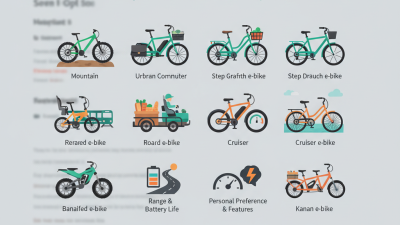
When selecting an adult electric bike for daily commuting, personal needs drive the decision. Consider your commute length, terrain, and typical weather. A bike with a robust battery can handle longer distances, while dependable brakes are vital for hilly routes. Tires should match your terrain, whether smooth roads or rugged trails.
Comfort is key. Look for features like adjustable seats and ergonomic grips. These details enhance your ride. Think about storage options too. Are you carrying a bag or groceries? A bike with a sturdy rack can make a difference. Pay attention to the weight of the bike as well. Heavier models may be harder to maneuver, especially in crowded spaces.
Don't forget about the bike's maintenance. Some models require more upkeep than others. Be prepared to invest time and effort. Explore user reviews to get a sense of reliability. This information can give you a clearer picture. Finding the right electric bike is a journey, not just a purchase.
Safety and Legal Considerations for Electric Bike Commuters
Electric bikes are increasingly popular for daily commutes. When considering safety and legal aspects, it's important to know your local regulations. Many regions have specific laws about bike speed limits, where you can ride, and helmet requirements. Ignoring these laws can lead to fines or accidents.
Before hitting the road, invest in a good helmet. It's essential for your safety. Always check your bike’s brakes, lights, and tires. These small checks can prevent big problems. Ride predictably and be aware of your surroundings.
One important tip: always signal your turns. This simple action increases your visibility to other road users. Avoid distractions such as headphones. They can diminish your awareness of traffic sounds. Riding an electric bike can be thrilling, but safety should remain your top priority. Remember, your safety and legal compliance enhance the overall biking experience.