How to Choose the Best Electric Bike Conversion Kit for Your Bike?
If you're considering upgrading your bicycle, choosing an Electric Bike Conversion Kit can be a game changer. This kit transforms your regular bike into an electric one, offering convenience and speed. However, picking the right kit is essential. Each bike has unique needs, and the perfect conversion kit will depend on what you prioritize.
When evaluating options, think about the motor type, battery capacity, and installation ease. Some kits feature powerful motors, while others focus on lightweight designs. The battery should match your riding style, whether that's long-distance commuting or quick trips. Installation can also vary; some kits require mechanical skills, while others are more user-friendly.
It's important to reflect on your riding habits and budget. A cheaper kit may not always be the best option in the long run. Assess the warranties offered and read reviews from other users. An Electric Bike Conversion Kit can enhance your riding experience, but it requires careful consideration of several factors. Your choices will create a foundation for enjoyable rides ahead.
Understanding Electric Bike Conversion Kits: Key Features to Consider
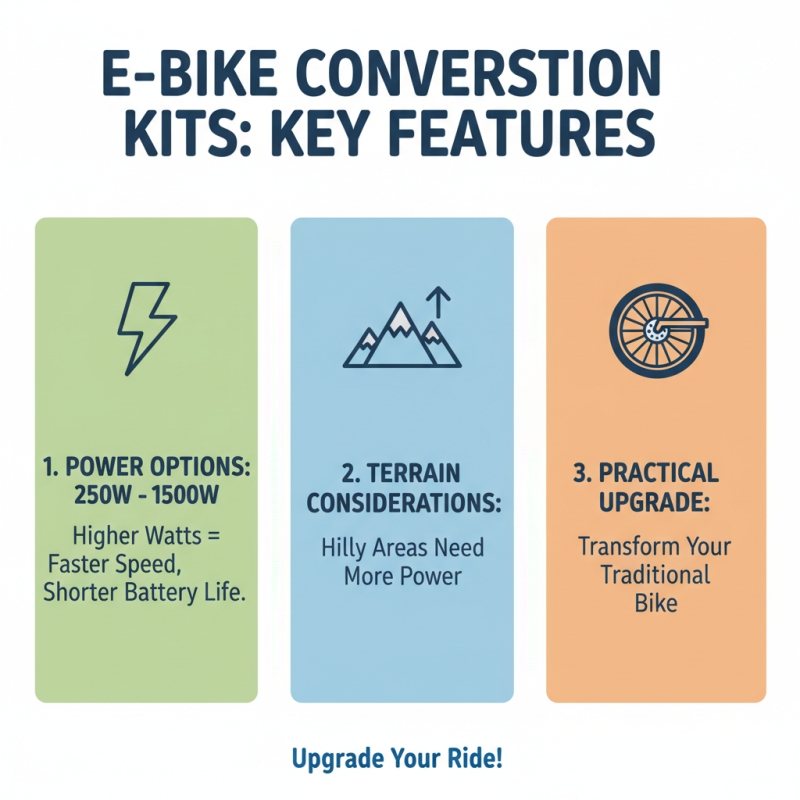
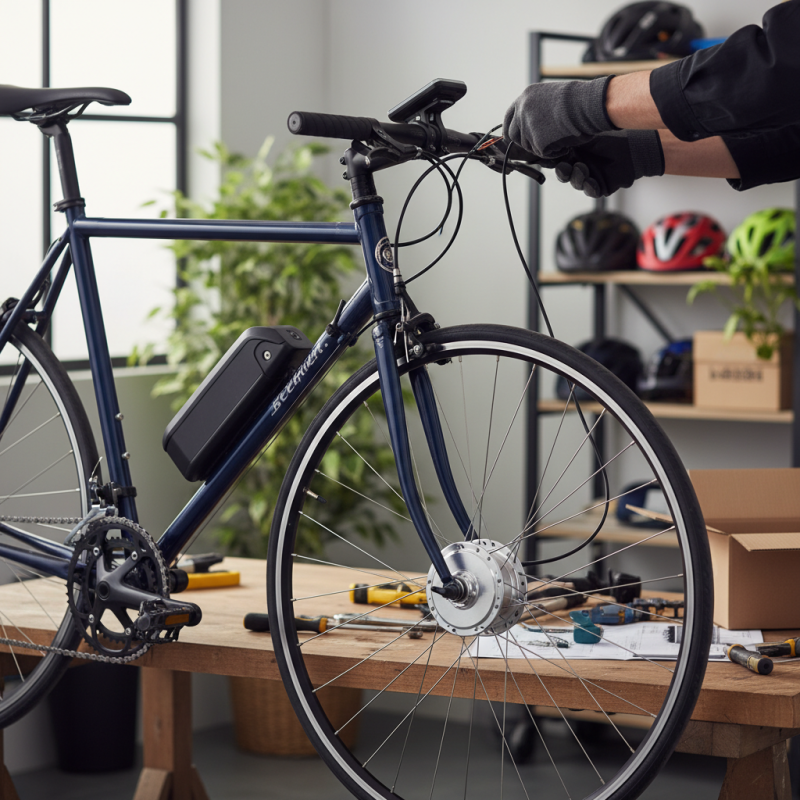
Electric bike conversion kits offer a practical solution for upgrading your traditional bike. Understanding the key features is essential for selecting the right kit. Look for power options. Most kits range from 250W to 1500W. Higher wattage means faster speeds, but less battery life. Consider your local terrain. Hilly areas may demand more power.
Battery capacity is crucial. It determines how far you can ride. A higher Ah (amp-hour) rating often means longer rides. Lithium batteries are generally lighter and more efficient, but they may also be pricier. Check for compatibility with your existing bike. Some kits may require modifications, which can be frustrating.
Another point to think about is installation complexity. Some kits are user-friendly. Others may need professional help. Researching the installation process can save time and money. Safety features should also be in your checklist. Look for options that include lights, brakes, and reliable wiring. Ultimately, selecting the best conversion kit requires balancing power, battery life, and ease of installation. It can be tricky! Each choice has trade-offs, and you'll need to consider what matters most for your biking experience.
Evaluating Motor Power and Performance: Finding the Right Wattage for You
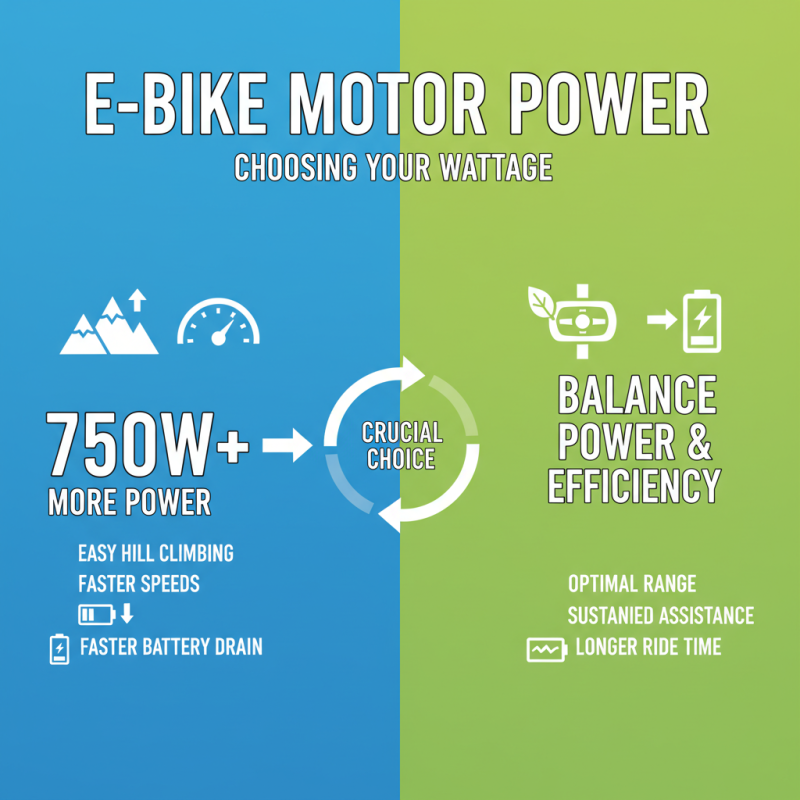
Choosing the right motor power for your electric bike conversion is crucial. The wattage determines how much assistance you get while riding. A higher wattage, like 750W or more, can help you climb steep hills effortlessly. It can offer a faster speed on flat roads too. However, it may drain the battery faster. Balancing power with efficiency is key.
Consider your riding style and terrain. If you live in a hilly area, a powerful motor might be necessary. Yet, if you only cruise on flat paths, a lower wattage could suffice. You may feel tempted to overestimate your needs. Research is essential here. Experimenting with different setups can be insightful, revealing what truly enhances your ride.
Performance also involves understanding torque, not just wattage. Torque affects acceleration and hill climbing. A motor with good torque can boost your confidence on inclines. Some riders forget to factor this in. A balance between wattage and torque provides a smooth riding experience. Don’t rush your decision; take the time to evaluate your unique needs for the best outcome.
Battery Types and Capacities: Maximizing Range and Efficiency
When choosing an electric bike conversion kit, battery types and capacities play a crucial role. Lithium-ion batteries are the most popular choice. They are known for their high energy density and long lifespan. A typical lithium-ion battery can last for 500 to 1,000 charge cycles. This lifespan impacts overall cost-effectiveness.
Capacity is also essential. Most electric bikes use batteries with capacities ranging from 250Wh to 1,500Wh. Larger capacities provide a longer range. For instance, a 500Wh battery can offer about 20 to 40 miles on a single charge, depending on terrain and rider weight. Some riders fail to consider their specific needs. Do you ride in hilly areas? A larger battery may be necessary.
Diving into efficiency, a battery's discharge rate can influence performance. A battery that discharges too quickly may not deliver the power needed. This can lead to a disappointing ride experience. An understanding of battery technology helps in avoiding common pitfalls. Are you really getting the range you expect? Many riders are left disappointed when reality doesn’t match expectations. An informed choice is key for satisfaction.
How to Choose the Best Electric Bike Conversion Kit for Your Bike? - Battery Types and Capacities: Maximizing Range and Efficiency
| Battery Type |
Capacity (Ah) |
Voltage (V) |
Range (miles) |
Efficiency (Wh/mile) |
| Lithium-ion |
15 |
36 |
30 |
20 |
| Lithium Polymer |
10 |
24 |
20 |
30 |
| Lead Acid |
20 |
24 |
25 |
40 |
| Lithium Iron Phosphate |
12 |
48 |
40 |
12 |
| Nickel Metal Hydride |
8 |
36 |
15 |
35 |
Compatibility Check: Ensuring Your Bike Can Handle the Conversion Kit
When considering an electric bike conversion kit, compatibility is key. Not every bike is suited for these modifications. You need to check the frame material first. Aluminum and steel frames usually work well. But carbon fiber bikes might pose a challenge. Pay attention to your bike's specifications.
Wheel size matters, too. Most kits fit standard sizes, like 26", 27.5", or 29". If your bike has unique dimensions, compatibility can be an issue. A non-standard size could lead to misalignment or fit problems. Check the disc brake mount compatibility as well. This is often overlooked but crucial for safety.
Lastly, assess your bike's overall condition. An old bike may not handle the added weight well. Inspect the frame, tires, and brakes before adding a conversion kit. It's vital to reevaluate your bike after installation. The ride might feel different. Sometimes, adjustments will be needed. Making these checks helps you enjoy a smoother ride.
Electric Bike Conversion Kit Compatibility Ratings
Cost Analysis: Balancing Budget with Quality and Features in Kits
When choosing an electric bike conversion kit, cost plays a crucial role. Balancing budget with quality can be challenging. Some kits may seem affordable but lack essential features. Others may offer advanced technology at a premium price. It's vital to assess what you really need in a kit. Consider the battery size, motor power, and installation complexity. These factors significantly impact both performance and cost.
It's essential to do thorough research before making a purchase. Look for customer reviews and comparisons of different kits. This can help you avoid potential pitfalls. Keep in mind that cheaper options might not last or provide optimal performance. Investing a little more upfront can save money in the long run.
When budgeting, remember that features matter. Do you need off-road capabilities or just a simple commuter kit? Define your primary use. A more durable battery could mean spending extra but will enhance your riding experience. Finding that balance can lead to a better choice. Reflect on how much you are willing to compromise on quality for cost. This self-awareness will guide you to make a suitable selection.