Top Tips for Choosing an Electric Bike Conversion Kit?
The popularity of electric bikes is soaring. A recent report by the Light Electric Vehicle Association indicates that e-bike sales are expected to reach 40 million units by 2025. As demand increases, so does the interest in Electric Bike Conversion Kits. These kits allow traditional bicycles to transform into electric bikes, making them an attractive option for many riders.
Choosing the right Electric Bike Conversion Kit can be challenging. There are many factors to consider, such as motor type, battery capacity, and compatibility with your bike. It's important to understand that not every kit suits every cyclist. Some riders may prioritize speed, while others seek ease of installation. Finding the balance between performance and practicality is essential.
Research shows that a well-chosen conversion kit can enhance your cycling experience significantly. However, not all kits are created equal. It's vital to consult reviews from credible sources. User experiences often reveal strengths and weaknesses that marketing materials may overlook. By doing your homework, you can make a knowledgeable decision that suits your riding style and budget.
Understanding Electric Bike Conversion Kits: An Overview
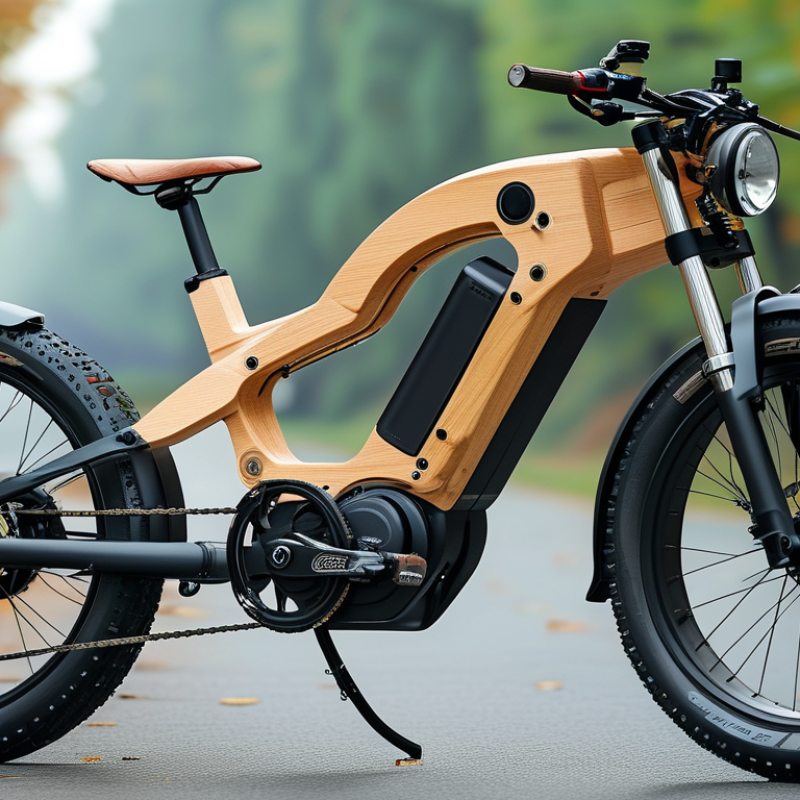
Electric bike conversion kits provide a means to transform a traditional bicycle into an electric one. This process often involves adding a motor, battery, and sometimes a new wheel. According to a report by the Bicycle Federation, the electric bicycle market has seen a surge, growing over 12% annually. Understanding the components of these kits is crucial for making informed choices.
Most conversion kits come with brushless motors, usually rated between 250W and 1500W. The choice in motor power affects speed and hill-climbing ability. A 500W motor performs well on hills, while a 250W system is suitable for flat terrains. Moreover, battery capacity, measured in amp-hours (Ah), directly influences the range. A common range is between 10Ah and 20Ah, allowing for 20 to 70 miles per charge, depending on usage and terrain.
While conversion kits offer versatility, some users report challenges, such as installation complexity and compatibility issues with existing bikes. It's essential to review compatibility information carefully. Reports indicate that nearly 30% of users face difficulties during installation. Researching and understanding these aspects can significantly enhance the experience and performance of your electric bike conversion.
Top Tips for Choosing an Electric Bike Conversion Kit
| Feature |
Description |
Considerations |
| Motor Type |
Types include hub motors and mid-drive motors. |
Consider terrain and riding style. |
| Battery Capacity |
Measured in amp hours (Ah), determines range. |
Higher capacity for longer rides. |
| Compatibility |
Must be compatible with your bike model. |
Check frame and wheel size. |
| Installation |
Some kits are easy to install, others require tools. |
Consider professional help if needed. |
| Cost |
Price ranges widely based on features. |
Set a budget before shopping. |
Key Factors to Consider When Choosing a Conversion Kit
When choosing an electric bike conversion kit, several key factors come into play.
The type of motor is critical. Hub motors are common, while mid-drive motors offer better balance. Think about your needs. Are you commuting, or is this for leisure? A robust motor can enhance your riding experience significantly. Look for a kit that allows seamless integration with your existing bike.
Battery capacity is another crucial factor. A larger battery typically means a longer range, but it also adds weight. Consider your riding habits. Will you be navigating hilly terrain or sticking to flat surfaces? Weight distribution matters. Too heavy a battery affects balance and handling. Also, the type of battery technology, such as lithium-ion, plays a role in performance and longevity.
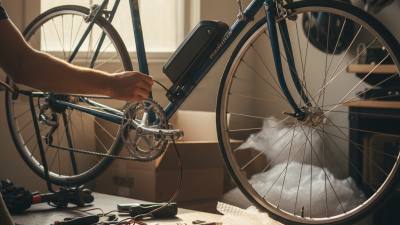
Don’t overlook the installation process. Some kits are easier to install than others. You might need tools and skills that you don’t possess. If you're unsure, seeking professional help could save time and frustration. Always do thorough research before making your choice. Read user reviews and check compatibility with your bike model. Your decision should be practical, considering your riding style and preferences. Keeping these details in mind will lead to a better fit for your electric biking journey.
Motor Types and Their Impact on Performance and Range
When selecting an electric bike conversion kit, understanding motor types is crucial. Motors vary in design and function, affecting both performance and range. Hub motors optimize simplicity and ease of installation. They provide good torque and are quieter. However, they might struggle on steep hills or with heavy loads.
Mid-drive motors, on the other hand, offer superior performance on varied terrains. They utilize the bike's gears, enhancing climbing ability and efficiency. This design often results in a better weight distribution, making rides smoother. Nevertheless, mid-drive systems can wear down bikes faster due to increased strain on the internal components.
Each motor type presents unique advantages and challenges. Potential buyers should consider their riding style and terrain. Are steep hills part of your commute? Is your route primarily flat? A thorough assessment helps in choosing the right motor type. Reflecting on these factors can lead to a more satisfying e-bike experience.
Battery Capacity: Evaluating Power and Longevity
Battery capacity is a crucial factor to consider when choosing an electric bike conversion kit. It directly impacts your bike’s performance and the distance you can travel. A larger battery usually provides more power and longer ride times. However, bigger batteries also add weight and may affect handling.
Evaluate how you intend to use your electric bike. If you plan on commuting daily, opt for higher capacity. A 500Wh battery can offer a good balance of power and weight for many riders. Consider the range it offers—often around 30 to 50 miles—depending on terrain and rider input.
Don’t overlook the longevity of the battery. Lithium-ion batteries are popular due to their efficiency. Yet, they can degrade over time. Usually, a battery’s lifespan is measured in charge cycles. For instance, a battery may last around 500 to 1000 cycles before noticeable power drop. Always check the warranty, as it reflects the manufacturer’s confidence. Remember, it is vital to reflect on your own riding habits and needs to find the right fit.
Battery Capacity: Evaluating Power and Longevity
Cost-Benefit Analysis: Budgeting for Your Electric Conversion Project
When considering an electric bike conversion kit, a detailed cost-benefit analysis is crucial. The initial investment can vary widely, typically ranging from $300 to $1,500. Understanding these costs will help frame your budget effectively. Many conversion kits offer motors with varying power ratings, usually from 250W to 1500W. Higher wattage often means better performance but can also increase costs significantly.
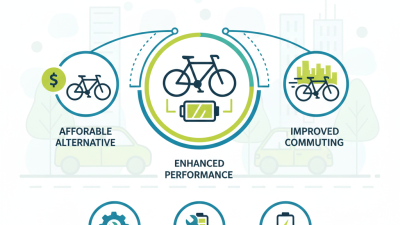
Evaluate long-term savings. A report from the Electric Bike World states that e-bike users can save up to 70% on commuting costs compared to driving a car. This includes fuel, maintenance, and parking fees. Still, it’s wise to consider the potential for repairs. Some users report spending over $200 annually on battery replacements after a few years of use.
Research installation costs as well. Some kits require professional installation, which can add to the overall expense. A DIY approach can save money but may require technical skills. Understand your capabilities here. Electricity costs are another factor for ongoing expenses. Charging an e-bike can add around $0.20 per charge, which is a small fraction compared to car expenses. However, hidden costs like insurance and occasional upgrades should not be overlooked.