How to Choose the Best Foldable Electric Bike?
Choosing the best foldable electric bike requires more than comparing prices and motor wattage. A practical Electric Bike Foldable model must fit your daily routine, storage space, and riding environment. A compact frame may slide beneath a desk, yet its folded shape can still feel awkward on a crowded train. Measure your doorway, elevator, car trunk, and storage corner before trusting product photos.
Start with the details you can verify. Check the bike’s folded dimensions, total weight, maximum rider load, and hinge design. A secure locking mechanism should feel firm, without excessive movement. Examine the battery capacity, charging time, real-world range, and replacement cost. Manufacturer range figures often assume light riders, flat roads, and gentle speeds. Weather, hills, luggage, and cold temperatures can reduce that distance considerably.
Safety deserves equal attention. Look for dependable brakes, bright lights, reflective elements, and suitable tires. Smaller wheels can make potholes feel sharper. A test ride can expose this quickly. Comfort matters too, especially when the saddle, handlebar, or pedals feel cramped after twenty minutes. Warranty coverage and local service support may seem boring, but they become valuable when a hinge loosens or a charger fails.
There is no perfect choice. A heavier model may ride more steadily, while a lighter one may sacrifice range or comfort. Some buyers overvalue portability and regret weak hill performance. Others choose a powerful motor but rarely carry the bike. Compare honest measurements, test realistic routes, and leave room for your own changing needs.
Define Your Riding Needs and Folding Bike Use Cases
Choosing the best foldable electric bike starts with your actual riding needs, not its advertised range. Define the trip before comparing specifications. A ten-kilometre commute requires different equipment from occasional train connections or apartment storage.
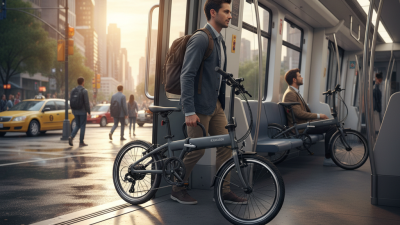
CONEBI’s 2023 European Bicycle Industry and Market Profile recorded more than five million e-bikes sold in Europe during 2022. That growth reflects varied use cases, not one ideal design. For daily commuting, check folded dimensions, carrying weight, lighting, mudguards, and charging access. A bike that fits beside a desk may matter more than extra battery capacity. For hilly routes, compare motor torque and sustained assistance, not peak wattage alone. For mixed train-and-road travel, test whether the folded bike rolls easily and locks securely.
Think about the difficult moments. Will you lift it up stairs? Ride through rain? Store it in a narrow hallway? The battery should match your real distance, temperature, hills, and payload. Advertised range is usually optimistic. The European Commission’s 2023 study on battery performance also highlights how temperature and usage conditions affect rechargeable battery capacity. Choose a certified battery system, reliable brakes, and a frame hinge with a clear locking indicator.
A useful admission:
compactness can create compromises. Small wheels may feel nervous on rough pavement, while a lightweight frame may reduce carrying comfort. Test the folded bike in person. Measure your storage space first. The perfect specification may still fail your daily routine.
Compare Motor Power, Battery Range, and Charging Options
Choosing a foldable electric bike starts with the motor, but wattage alone can mislead. A 250-watt motor may climb gently, while a 500-watt motor can provide stronger acceleration under load. Check continuous power, peak output, torque, and controller limits. Torque matters on steep streets. Test the bike with a loaded backpack, not only on smooth pavement.
Battery range deserves careful measurement. Manufacturers often quote ideal figures, usually on flat roads with light riders. Estimate watt-hours by multiplying volts by amp-hours. A 36V, 10Ah battery stores about 360Wh before energy losses. Expect less range with hills, cold air, heavy loads, or frequent starts. I once planned a 30-kilometer trip from a quoted 40 kilometers. Wind and hills changed the calculation. That mistake still matters. Leave at least 20% reserve.
Charging options affect daily convenience. A removable battery helps apartment riders charge indoors, away from rain and theft risks. A fixed battery looks cleaner but needs a nearby outlet. Check charger output, charging time, connector fit, and safety certification for your region. Fast charging sounds useful, yet extra heat may reduce battery life. Use the supplied charger on a dry, ventilated surface. Never charge overnight if the manual forbids it. Record distance, assist level, weather, and remaining charge. Numbers beat guesses, though my records are not perfectly consistent.
How to Choose the Best Foldable Electric Bike? – Compare Motor Power, Battery Range, and Charging Options
| Typical Configuration |
Motor Power
(Nominal / Peak) |
Battery Capacity |
Estimated Assist Range* |
Standard Charging |
Optional Charging |
Best For |
| Light Urban Folder |
250 W / 400 W |
250–360 Wh |
25–45 km
16–28 mi |
2 A charger
Approximately 4–6 hours |
4 A fast charger, if supported
Approximately 2–3 hours |
Short commutes, train connections, and lightweight carrying |
| Balanced Commuter Folder |
250–500 W / 500–750 W |
360–500 Wh |
35–65 km
22–40 mi |
2 A charger
Approximately 6–8 hours |
3–4 A charger, if supported
Approximately 3–5 hours |
Daily commuting, moderate hills, and mixed urban riding |
| Long-Range Folder |
250–500 W / 750 W |
500–720 Wh |
50–90 km
31–56 mi |
2 A charger
Approximately 8–12 hours |
4 A charger, if supported
Approximately 4–6 hours |
Longer commutes, touring, and riders who cannot recharge frequently |
| Cargo or Steep-Hill Folder |
500–750 W / 750–1,000 W |
500–800 Wh |
30–70 km
19–43 mi |
2–3 A charger
Approximately 7–12 hours |
4–5 A charger, only when approved
Approximately 3–5 hours |
Heavy loads, frequent hills, and stronger low-speed assistance |
How to read the table: Battery energy is calculated as voltage multiplied by amp-hours. Charging time depends on the battery’s starting charge level, charger output, battery-management limits, and temperature. A higher peak-power rating can improve acceleration, but it does not automatically provide a longer range.
*Estimated assist ranges assume a charged battery, moderate pedal assistance, mostly paved terrain, a rider and cargo weight of approximately 75–100 kg, properly inflated tires, and mild weather. Cold temperatures, hills, strong wind, high payloads, low tire pressure, and frequent maximum-power use can substantially reduce range. Motor-power and speed regulations vary by jurisdiction, so verify local requirements before purchase.
Check Frame Size, Folded Dimensions, and Carrying Weight
A folding e-bike can feel compact online but awkward beside your sofa. That is not enough.
Start with frame size, not wheel diameter.
Measure your inseam, reach, and preferred riding posture before comparing models. A low standover height helps shorter riders mount safely, while adjustable handlebars can improve comfort for taller riders.
The 2023 PeopleForBikes U.S. E-Bike Market Overview reported more than one million e-bikes sold in 2022. That growth makes proper fit increasingly important, not optional.
My own first estimate was wrong.
Check the folded dimensions against your actual storage route.
Measure the elevator door, stair landing, car trunk, and apartment doorway. Leave at least two or three centimeters for awkward angles and hand movement. Folded height often causes more problems than folded length.
Carrying weight matters just as much. A 24-kilogram bike may feel manageable on paper, but stairs quickly expose the difference. Ask whether the stated weight includes the battery, pedals, and rear rack.
Also check the permitted total load, including rider and luggage. The U.S. Consumer Product Safety Commission’s micromobility safety reporting emphasizes following charging and handling instructions, which supports choosing a stable, manageable bicycle.
Do not rely on a single showroom lift.
Carry it ten meters, turn once, and place it on a bench. It sounds mundane. Yet that small test may reveal a poor choice before daily use.
Evaluate Safety Features, Comfort, and Ride Stability
Choosing the best foldable electric bike starts with safety, not the smallest folded size. The U.S. National Highway Traffic Safety Administration recorded 1,105 bicyclist deaths in 2022. That figure covers all bicycles, but it shows why predictable handling matters. Look for reliable front and rear lights, effective brake cutoffs, reflectors, and a battery tested to recognized safety standards. A secure folding latch is essential. A loose hinge can turn a smooth ride into a frightening one.
Comfort also affects safety. A narrow saddle, stiff grips, or limited handlebar adjustment may cause poor control after thirty minutes. Test the riding position with both feet near the ground. Check whether the seatpost and handlebars lock firmly. Smaller wheels can feel agile, yet they may react sharply to potholes. The U.S. Consumer Product Safety Commission has reported a substantial rise in micromobility injuries and hazardous battery incidents. Data often combines several vehicle types, so it is not a perfect guide for one bicycle. Still, ignoring it would be careless.
Tips: Ride slowly on your first folded-bike test. Brake on dry pavement, then inspect the hinge, tires, and steering. Ask whether the battery carries recognized certification, and read the charging instructions. Do not rely only on a claimed range figure; rider weight, hills, temperature, and tire pressure change it. I once underestimated a small wheel on broken pavement. That mistake changed my view of “compact” design. A stable ride should feel calm, not merely convenient.
Review Maintenance Needs, Warranty Coverage, and Overall Value
A foldable electric bike can look inexpensive until maintenance begins. PeopleForBikes’ 2023 U.S. Bicycle Industry Overview recorded more than one million e-bikes sold in 2022. That growth makes after-sales support important. Check the warranty before comparing motor power or folded size. Confirm coverage for the battery, charger, motor, frame, display, and hinges. Some policies exclude water damage, commercial use, or normal battery capacity loss.
Maintenance needs are usually modest, but they are not zero. Inspect hinge bolts monthly, especially after riding over rough pavement. Keep the chain clean and check brake-pad thickness with a flashlight. A folding joint that develops play can become expensive if ignored. The U.S. Consumer Product Safety Commission reported 208 micromobility fire incidents during 2021 and 2022, including e-bikes and scooters. Use the supplied charger, avoid damaged batteries, and never charge beside bedding or loose fabric.
Overall value depends on repair access, not just the purchase price. Ask whether replacement parts remain available after the warranty ends. A two-year battery warranty may sound strong, but read its capacity threshold and labor exclusions. Independent testing helps, yet published tests cannot predict every rider’s experience. I would pay slightly more for clear service procedures and local support. That choice is less exciting, but often more practical. Don’t ignore the small print.